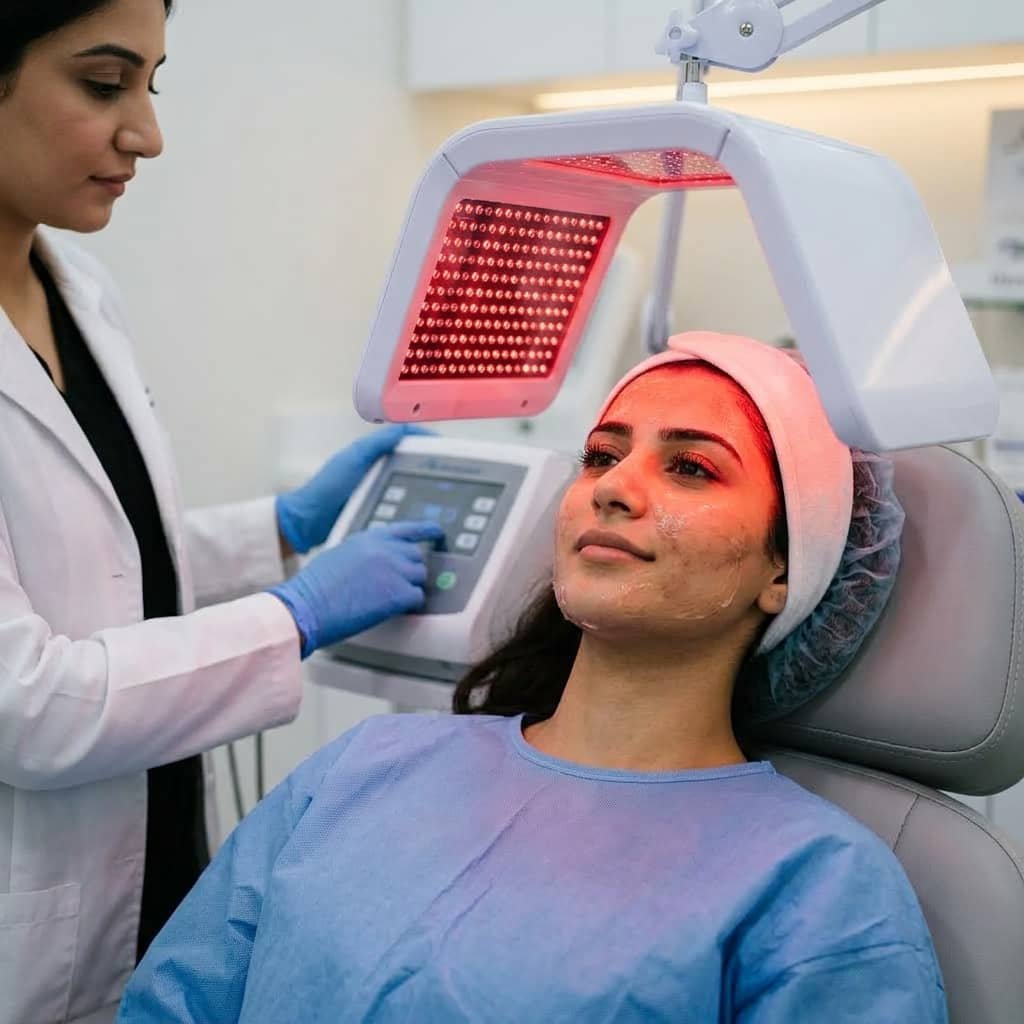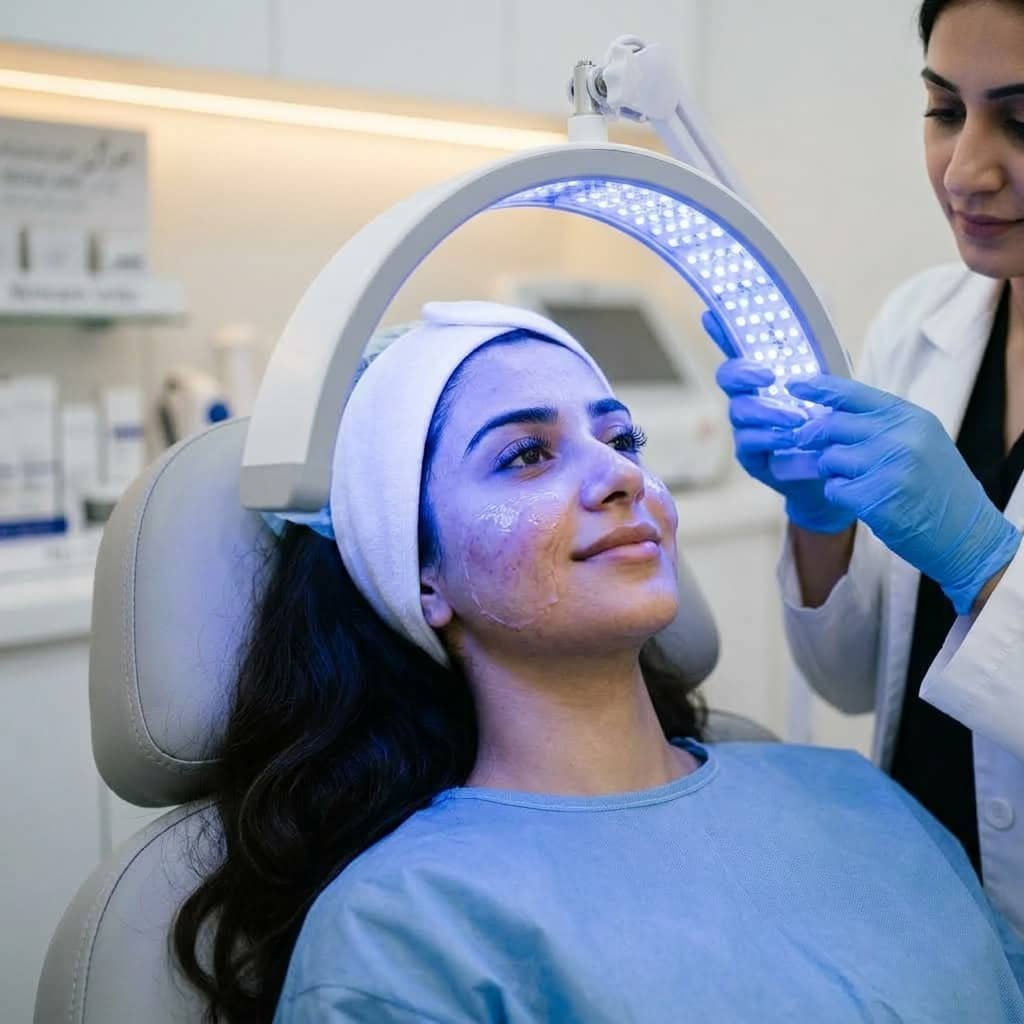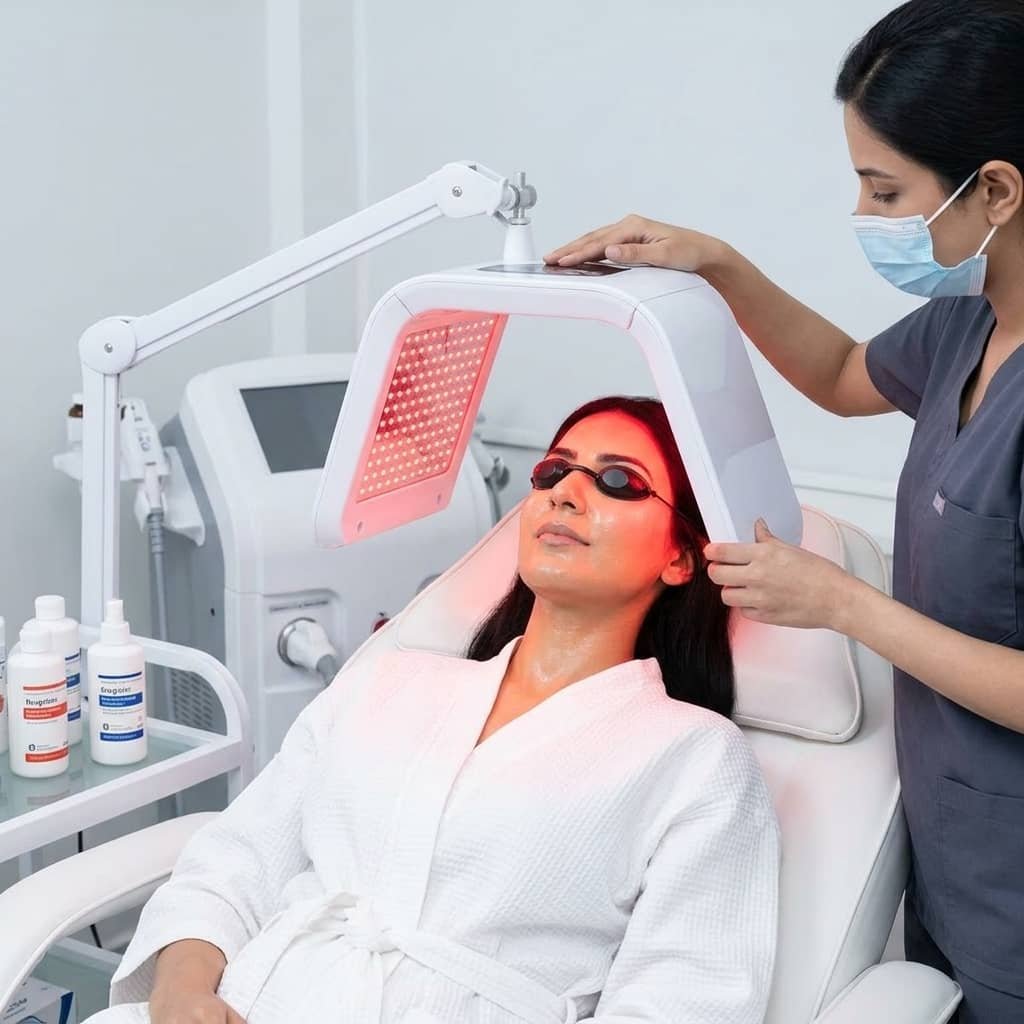
Photodynamic therapy is a two-stage treatment that combines light energy with a medicine called a photosensitizer.
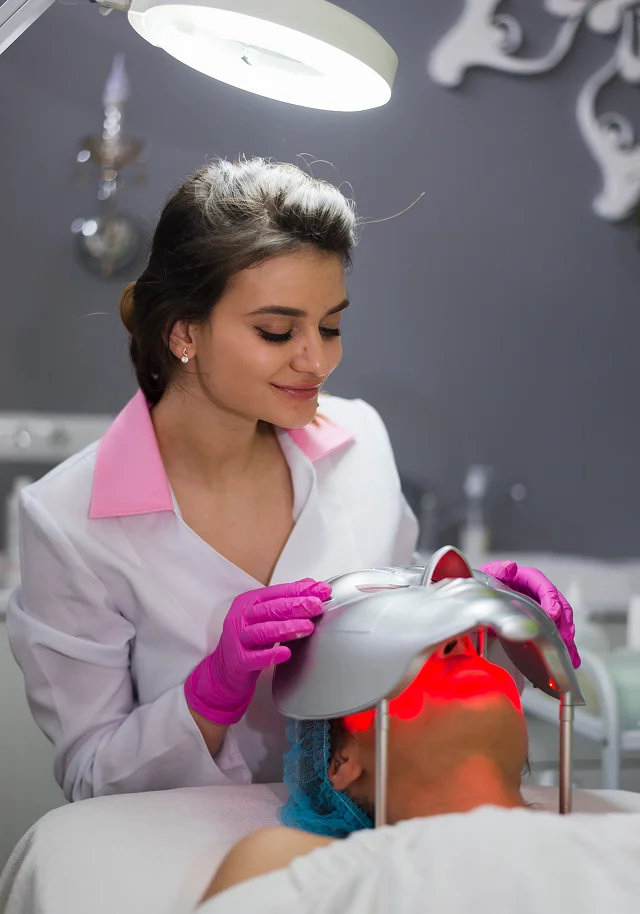
Photodynamic therapy is a two-stage treatment that combines light energy with a medicine called a photosensitizer.
At Wizderm Aesthetics, Quetta, Photodynamic Therapy (PDT) is a specialized light-based treatment that combines a photosensitizing medication with controlled light energy. The treatment is selected according to the patient’s skin condition, concerns, and treatment goals.
Under the care of Dr. Saeed Ur Rahman Shah, MBBS, FCPS (Dermatology), Canadian Certified Aesthetician, PDT can be considered for selected dermatological concerns, including certain forms of acne and sun-damaged or precancerous skin conditions where clinically appropriate. PDT is not a one-size-fits-all treatment; proper assessment is an important part of the process.
A typical PDT session involves several carefully controlled steps:
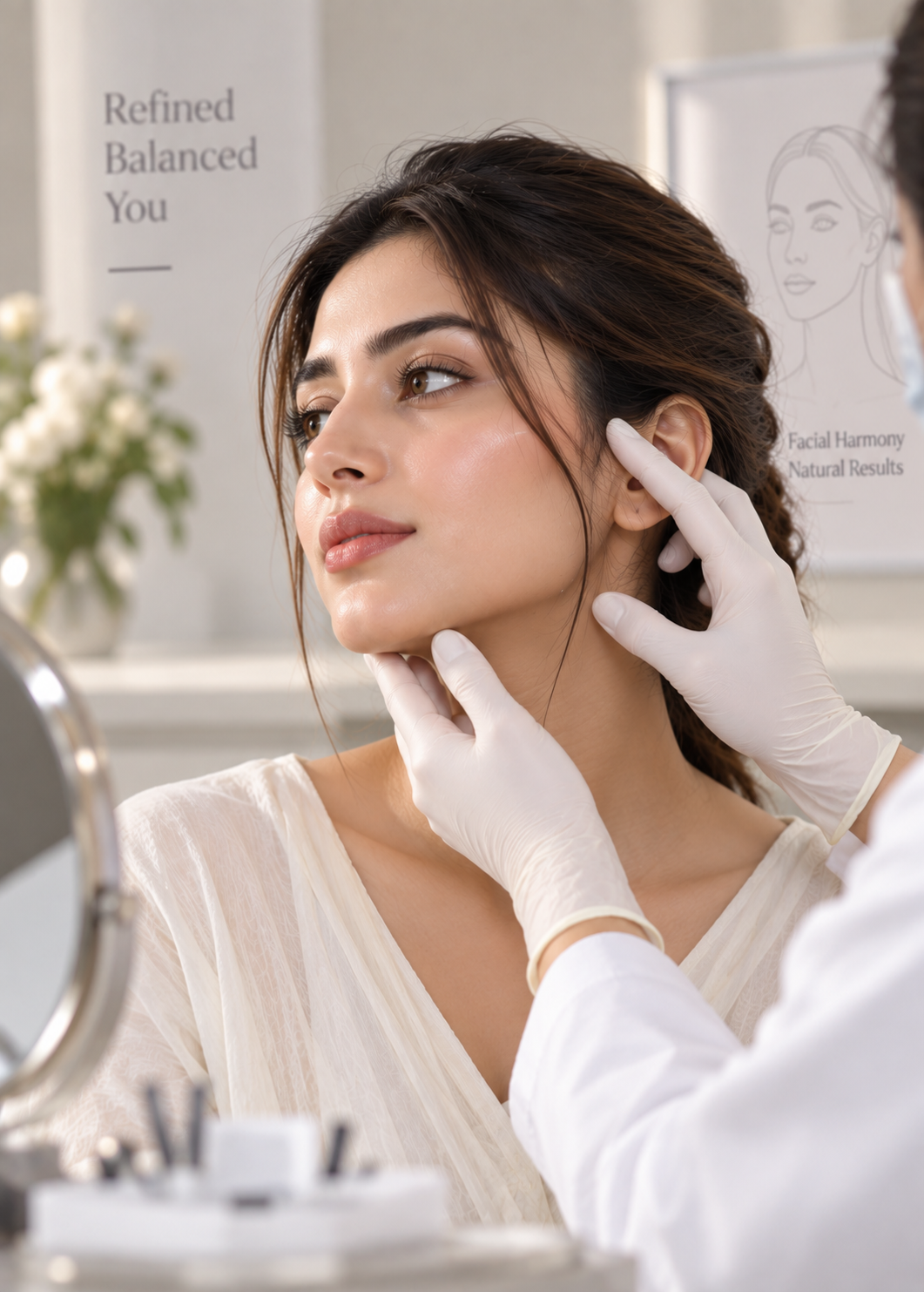
Dr. Saeed evaluates the area being treated and discusses your concerns, medical history and treatment expectations.
The treatment area is cleansed and prepared. Depending on the indication, the skin may also be prepared in a way that allows the photosensitizing medication to work appropriately.
A prescribed photosensitizing medication is applied to the selected treatment area and left for a specific period according to the treatment protocol.
The treated area is exposed to a specialized light source. The light activates the photosensitizer, producing the intended therapeutic effect within the treated tissue.
Once the procedure is complete, you receive individualized instructions regarding light exposure, skincare and recovery.
Depending on the condition being treated, PDT may help:
PDT is an established treatment option for actinic keratosis, and dermatology guidelines recognize it as one of the available field-directed therapies.
For acne, light-based treatments including PDT may require a series of treatments, and response can vary from person to person.
PDT can cause temporary reactions in the treated area, including:
Mayo Clinic notes that inflammation, swelling and a burning sensation can occur during PDT for actinic keratosis.
Recovery varies depending on the type of PDT and the condition being treated.
Immediately following treatment, the skin may appear red and feel warm, sensitive or irritated. Some patients may experience temporary swelling, peeling or crusting as the treated skin responds.
After PDT, you may be instructed to:
Photosensitizing medications can make treated skin particularly sensitive to light, so light-avoidance instructions are an important part of PDT aftercare. The exact duration depends on the medication and treatment protocol.
Results and the number of sessions required depend on the condition being treated. Some patients may require more than one treatment session.
Contact Dr. Saeed or the Wizderm Aesthetics team if you experience:
If you have concerns during recovery, professional assessment is preferable to self-treating the reaction.
Your provider will let you know if you need repeat PDT treatment sessions. For skin conditions, PDT results are usually semi-permanent, lasting several months. Whether you need repeat sessions depends on several factors, including the condition you have and how well you respond to treatment.
You’re sitting down with your first cup of coffee of the day when it hits you: a zing in your tooth… Don’t worry, our team of Portland dentists can help! We offer general dentistry and a full range of restorative and cosmetic dental treatments for people and families in NE Portland, SE Portland, Downtown, and Bethany. Let’s keep your teeth happy!
The new common language will be more simple and regular than the existing European languages. It will be as simple as Occidental; in fact, it will be Occidental. To an English person, it will seem like simplified English, as a skeptical Cambridge friend of mine told me what Occidental is. The European languages are members.
To an English person, it will seem like simplified English. Their separate existence is a myth. The new common language will be more simple and regular than the existing European languages. It will be as simple as Occidental; in fact, it will be Occidental. To an English person, it will seem like simplified English, as a skeptical Cambridge friend of mine told me what Occidental is. The European languages are members of the same family.
The new common language will be more simple and regular than the existing European languages. It will be as simple as Occidental; in fact, it will be Occidental. To an English person, it will seem like simplified English, as a skeptical Cambridge friend of mine told me what Occidental is. The European languages are members of the same family. Their separate existence is a myth.