Laser Skin Resurfacing

Refine Your Skin. Renew Its Texture. Reveal a Smoother, Healthier-Looking Complexion. At Wizderm Aesthetics, Quetta, Laser Skin Resurfacing is a personalized treatment designed to improve the appearance and texture of the skin using controlled laser energy.
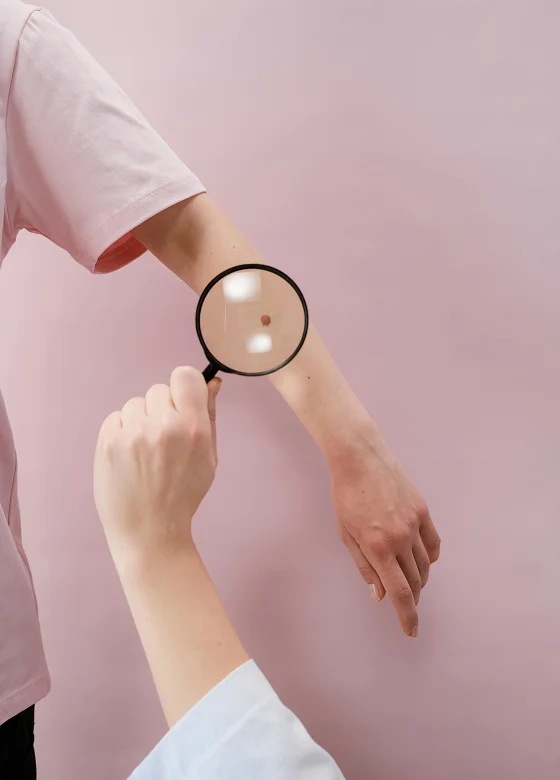
About Laser Skin Resurfacing

Laser Skin Resurfacing uses controlled laser energy to treat targeted layers of the skin.

There are two broad approaches:

Ablative resurfacing removes the outer layer of skin while heating the underlying skin, stimulating collagen production as the skin heals.

Non-ablative resurfacing works deeper in the skin without removing the outer layer and generally involves less downtime, although results are usually more gradual.

Laser resurfacing can also be performed using fractional technology, which treats microscopic columns of skin while leaving surrounding areas untreated. This can help shorten recovery compared with treating the entire surface.

At Wizderm Aesthetics, the choice of laser and treatment intensity should be based on your skin type, concern, treatment area and expected recovery.

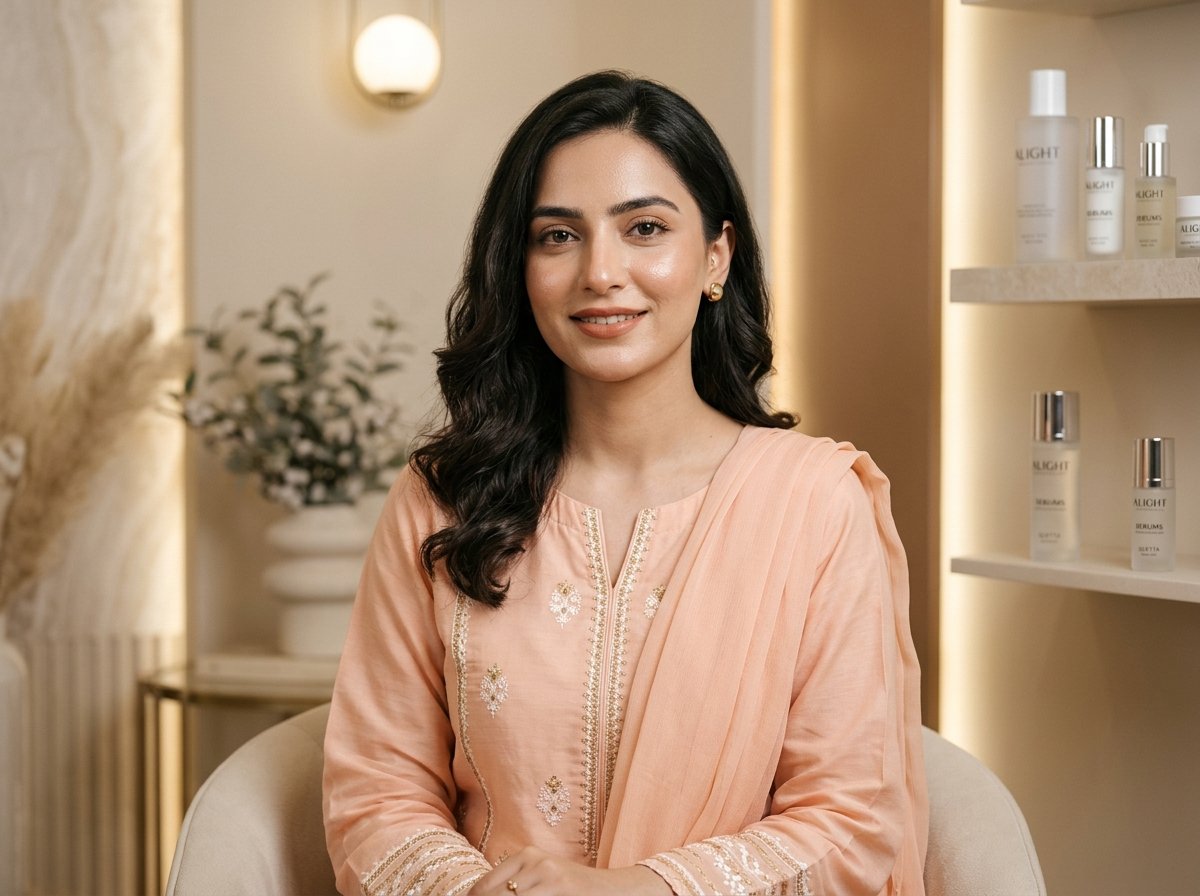
“Laser treatment should never be about using the strongest setting. It should be about choosing the right treatment for the right skin.”
— Dr. Saeed Ur Rahman Shah

How it Works

Treatment Procedure

Your treatment begins with a consultation and skin assessment.

Dr. Saeed may assess:

  • Skin texture and tone
  • Fine lines and wrinkles
  • Acne scars
  • Sun damage
  • Pigmentation and uneven color
  • Previous treatments
  • Skin sensitivity
  • Your medical history and current medications
  • Your expectations and desired recovery time

These factors help determine whether laser resurfacing is appropriate and which approach may be suitable.

During Treatment

Depending on the treatment selected:

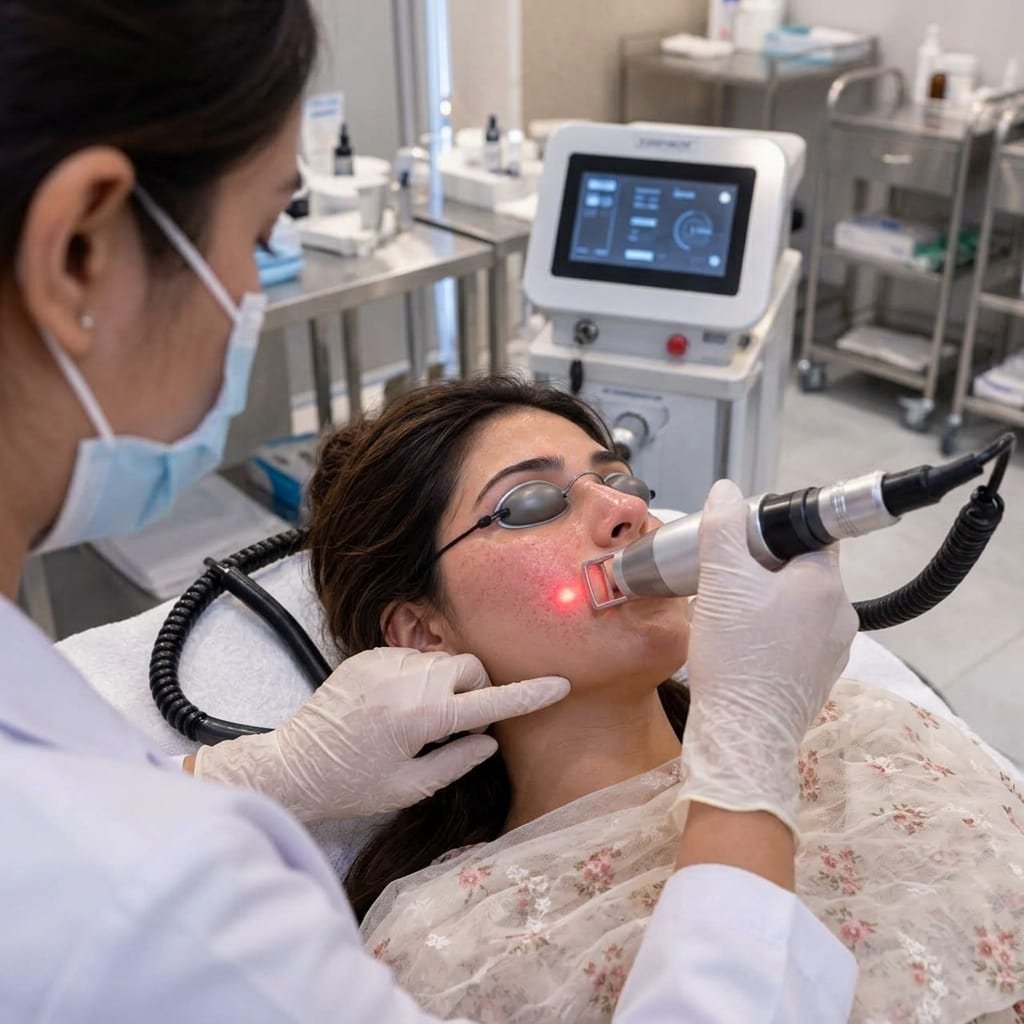
  1. The skin is cleansed and prepared.
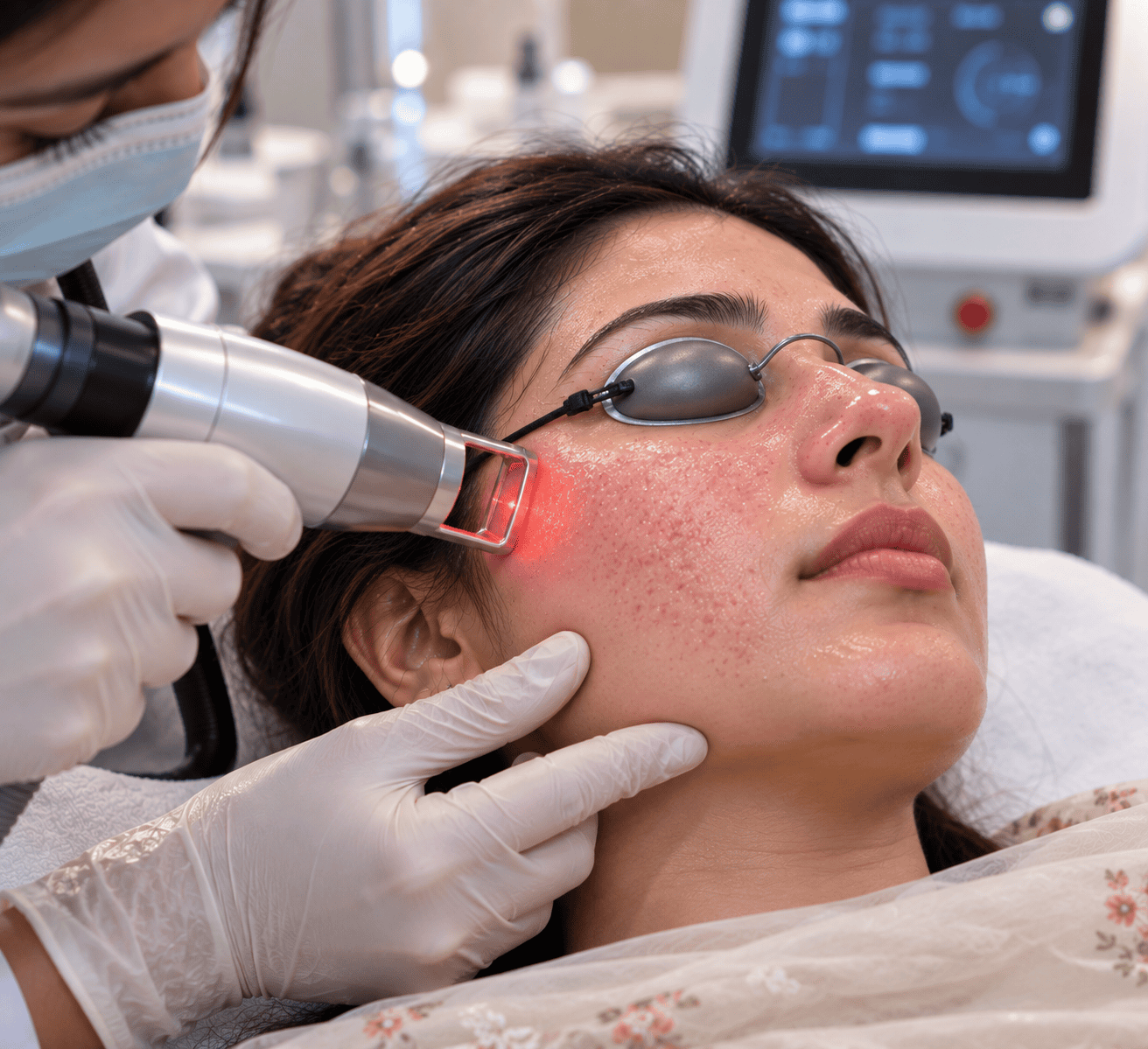
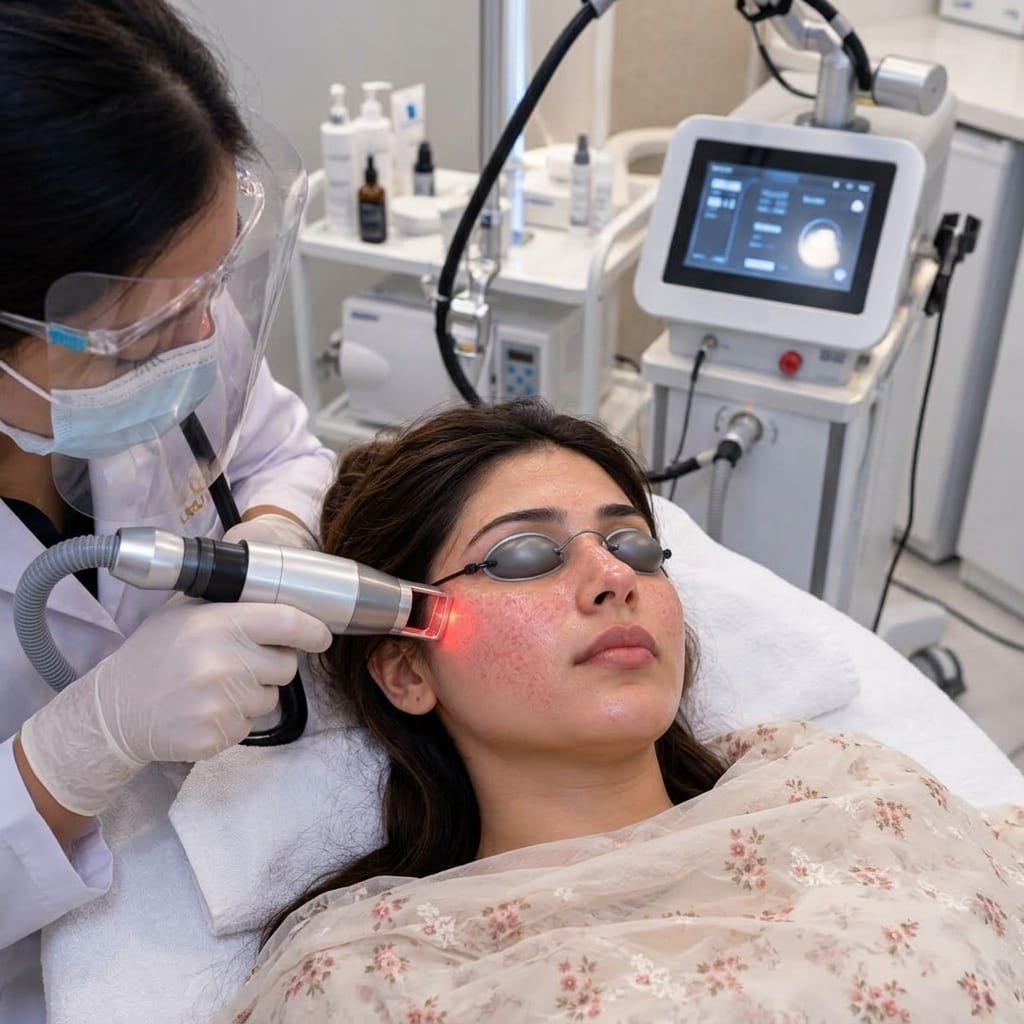
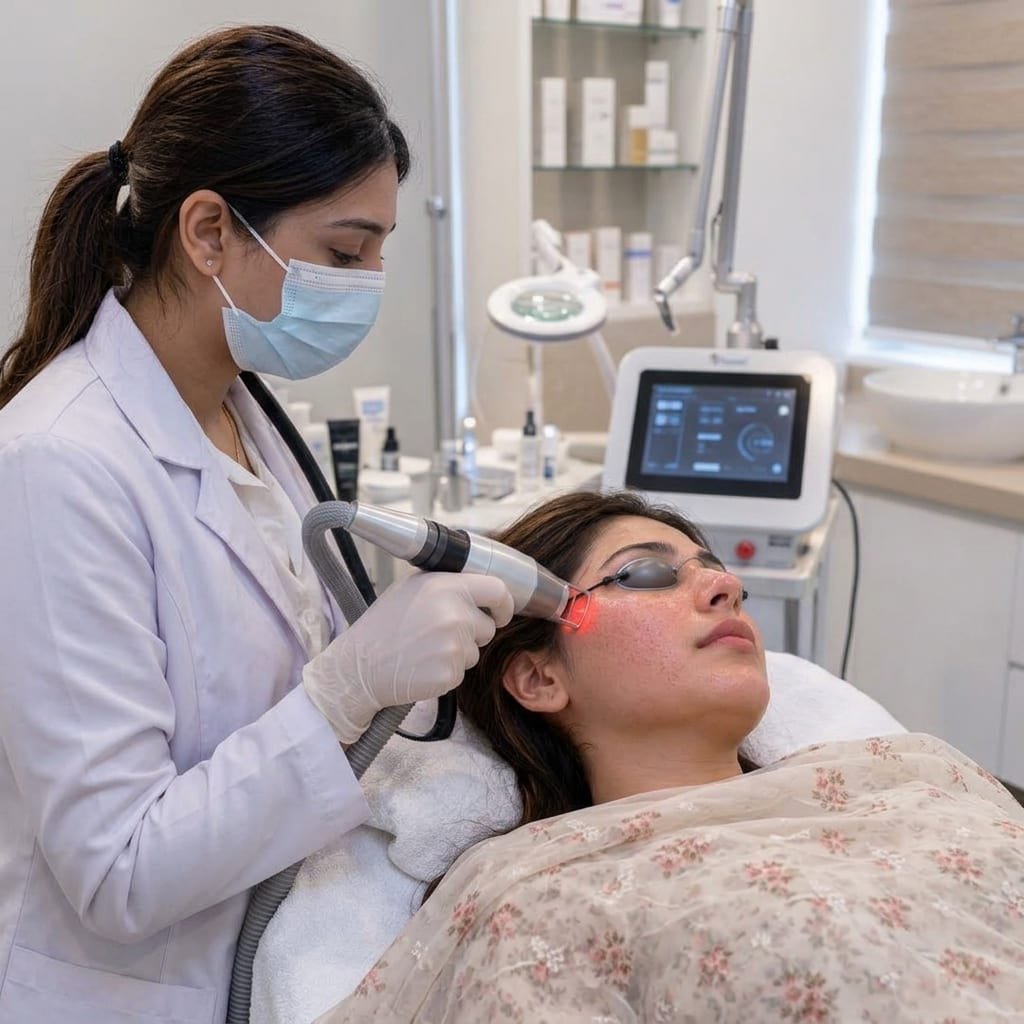
  2. Appropriate eye protection is provided.
  3. A topical anesthetic or other pain-control method may be used when required.
  4. The laser device delivers controlled energy to the targeted skin.
  5. The treatment stimulates the desired skin-remodeling response.
  6. Cooling, soothing products or protective dressings may be used afterward depending on the procedure.

The exact treatment time varies according to the laser, technique and size of the area being treated.

Potential Benefits

Laser Skin Resurfacing may help improve the appearance of:

  • Fine lines and wrinkles
  • Uneven skin texture
  • Uneven skin tone
  • Sun-damaged skin
  • Age spots
  • Mild to moderate acne scars
  • Rough or dull-looking skin
  • Selected pigmentation concerns

Laser treatments can also stimulate collagen, which contributes to improved skin firmness and texture over time.

Possible Risks

Laser resurfacing can cause temporary:

  • Redness
  • Swelling
  • Burning or itching
  • Skin sensitivity
  • Peeling or crusting
  • Changes in skin color

Less commonly, complications can include infection, scarring and persistent changes in pigmentation. People with brown or Black skin have a higher risk of longer-lasting pigmentation changes, so careful laser selection and settings are particularly important.

Non-Ablative Laser

Non-ablative treatments generally involve a shorter recovery period. Temporary redness, swelling or color changes may occur, and many patients can return to normal activities relatively quickly.

Fractional Laser

Fractional treatments create microscopic treatment zones while leaving surrounding skin intact. Several sessions may be recommended, with treatment intervals depending on the specific technology and skin concern.

Ablative Laser

Ablative resurfacing involves more significant skin healing. New skin generally covers the treated area within approximately 7–10 days, while full recovery can take longer.

During recovery, you should:

  • Follow Dr. Saeed’s aftercare instructions carefully.
  • Avoid unnecessary sun exposure.
  • Use the recommended sunscreen and skincare.
  • Avoid picking, scratching or peeling treated skin.
  • Avoid irritating skincare products until advised otherwise.
  • Attend follow-up appointments when recommended.

Sun protection is especially important after laser resurfacing because UV exposure can contribute to pigmentation changes and new skin damage.

Contact Dr. Saeed or the Wizderm Aesthetics team if you experience:

  • Severe or increasing pain
  • Significant or worsening swelling
  • Increasing redness or warmth
  • Blistering
  • Pus or other signs of infection
  • Significant changes in skin color
  • Unexpected or worsening symptoms
  • Any reaction that concerns you during recovery

Prompt assessment is important if healing does not appear to be progressing normally.

Who is a good candidate for laser skin resurfacing?

  • Scars from acne or chickenpox.
  • Uneven skin pigmentation.
  • Skin scars or birthmarks.
  • Age spots, liver spots.
  • Sun-damaged skin.
  • Non-responsive skin after a facelift.

Laser skin resurfacing reduces wrinkles and scars, evens out skin coloring, tightens skin and removes lesions. Lasers are beams of light that vaporize the outer layers of your skin and promote the growth of new collagen fibers.

Success Stories

More than 250 five-star reviews on Google

have a question?

Quick answers to questions you may have

You’re sitting down with your first cup of coffee of the day when it hits you: a zing in your tooth… Don’t worry, our team of Portland dentists can help! We offer general dentistry and a full range of restorative and cosmetic dental treatments for people and families in NE Portland, SE Portland, Downtown, and Bethany. Let’s keep your teeth happy!

The new common language will be more simple and regular than the existing European languages. It will be as simple as Occidental; in fact, it will be Occidental. To an English person, it will seem like simplified English, as a skeptical Cambridge friend of mine told me what Occidental is. The European languages are members.

To an English person, it will seem like simplified English. Their separate existence is a myth. The new common language will be more simple and regular than the existing European languages. It will be as simple as Occidental; in fact, it will be Occidental. To an English person, it will seem like simplified English, as a skeptical Cambridge friend of mine told me what Occidental is. The European languages are members of the same family. 

The new common language will be more simple and regular than the existing European languages. It will be as simple as Occidental; in fact, it will be Occidental. To an English person, it will seem like simplified English, as a skeptical Cambridge friend of mine told me what Occidental is. The European languages are members of the same family. Their separate existence is a myth.