Calm Your Skin. Reduce Flare-Ups. Restore a More Comfortable, Even-Looking Complexion.
Calm Your Skin. Reduce Flare-Ups. Restore a More Comfortable, Even-Looking Complexion.
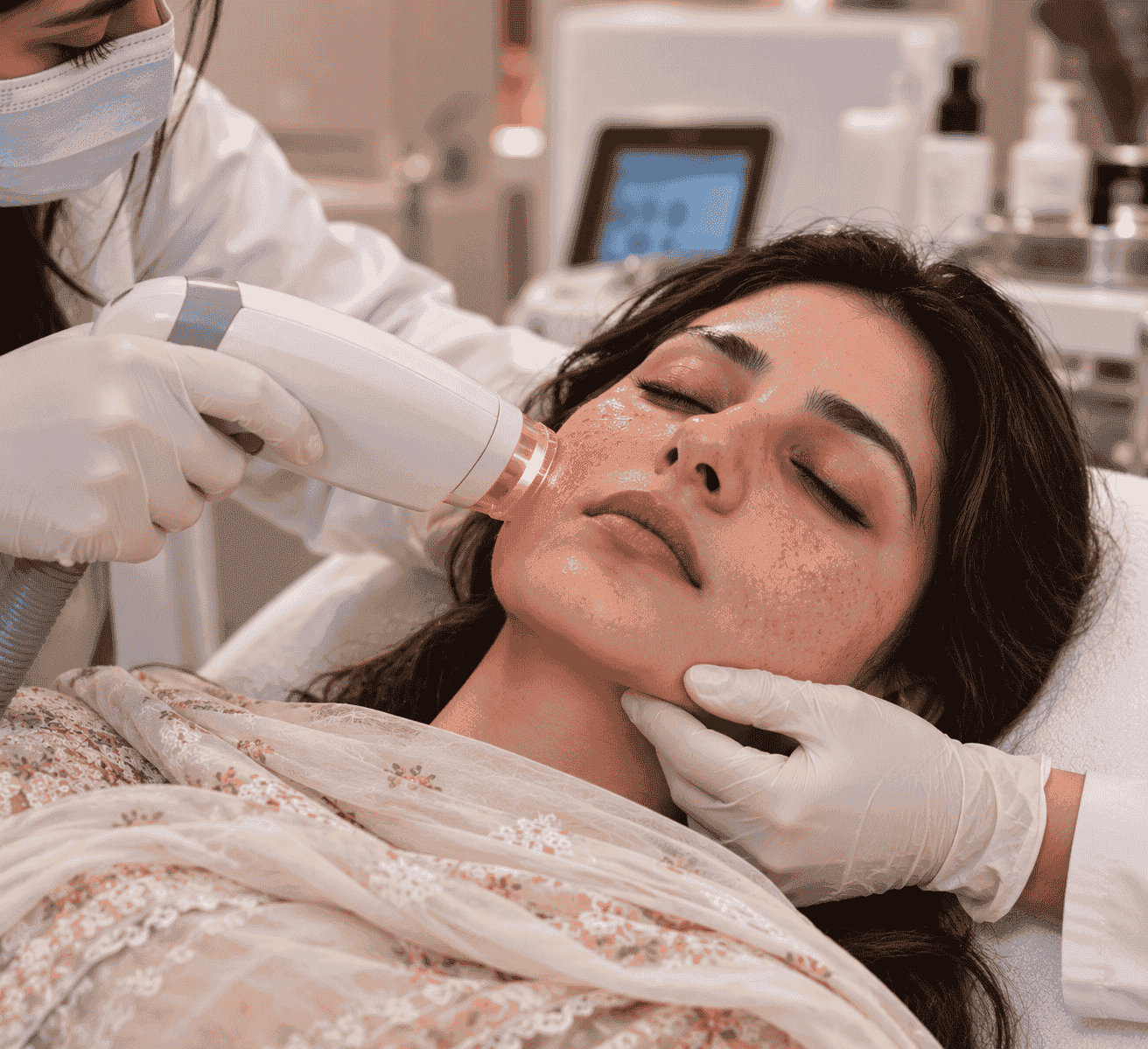
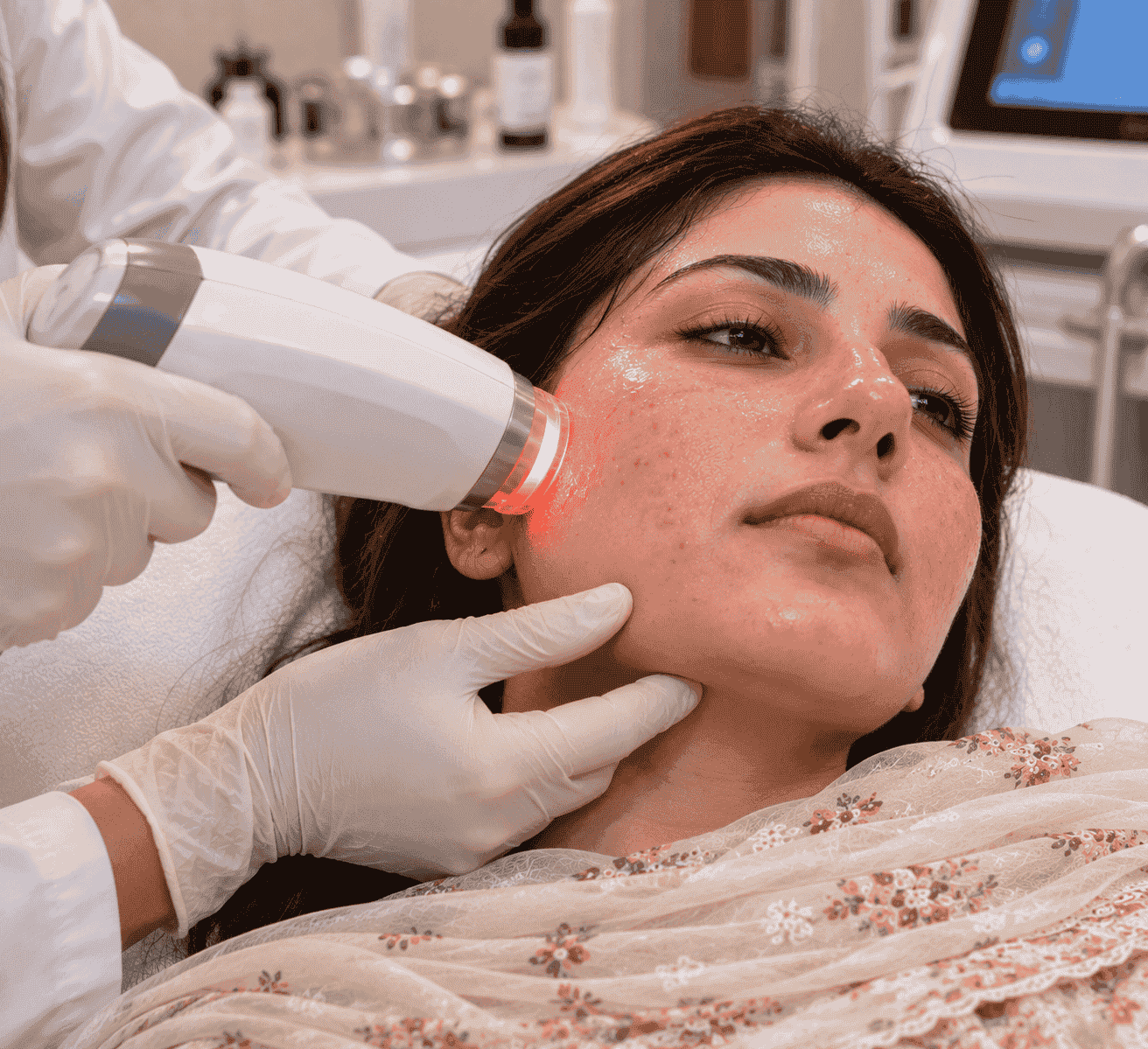
At Wizderm Aesthetics, Quetta, Rosacea Therapy is designed around the individual patient rather than a one-size-fits-all approach. Rosacea can present differently from person to person, with symptoms such as persistent facial redness, flushing, visible blood vessels, acne-like bumps, burning or stinging, and sensitivity.
Under the care of Dr. Saeed Ur Rahman Shah, MBBS, FCPS (Dermatology), Canadian Certified Aesthetician, treatment begins with understanding your symptoms, identifying possible triggers and assessing the type and severity of rosacea. The goal is to control symptoms, reduce flare-ups and support healthier, more comfortable skin.
Your first step at Wizderm is a detailed skin assessment.
Dr. Saeed may evaluate:
Because rosacea can have different symptoms and severity levels, treatment is selected according to the individual presentation.
Depending on your needs, treatment may include:
Prescription topical treatment
Certain prescription creams or gels can help control persistent facial redness or inflammatory acne-like bumps. Options may include medicines such as azelaic acid, metronidazole, ivermectin, brimonidine or oxymetazoline, depending on the symptoms and clinical assessment.
Oral medication
For some patients with more significant inflammatory bumps or other symptoms, a dermatologist may prescribe oral medication such as low-dose doxycycline.
Laser or light therapy
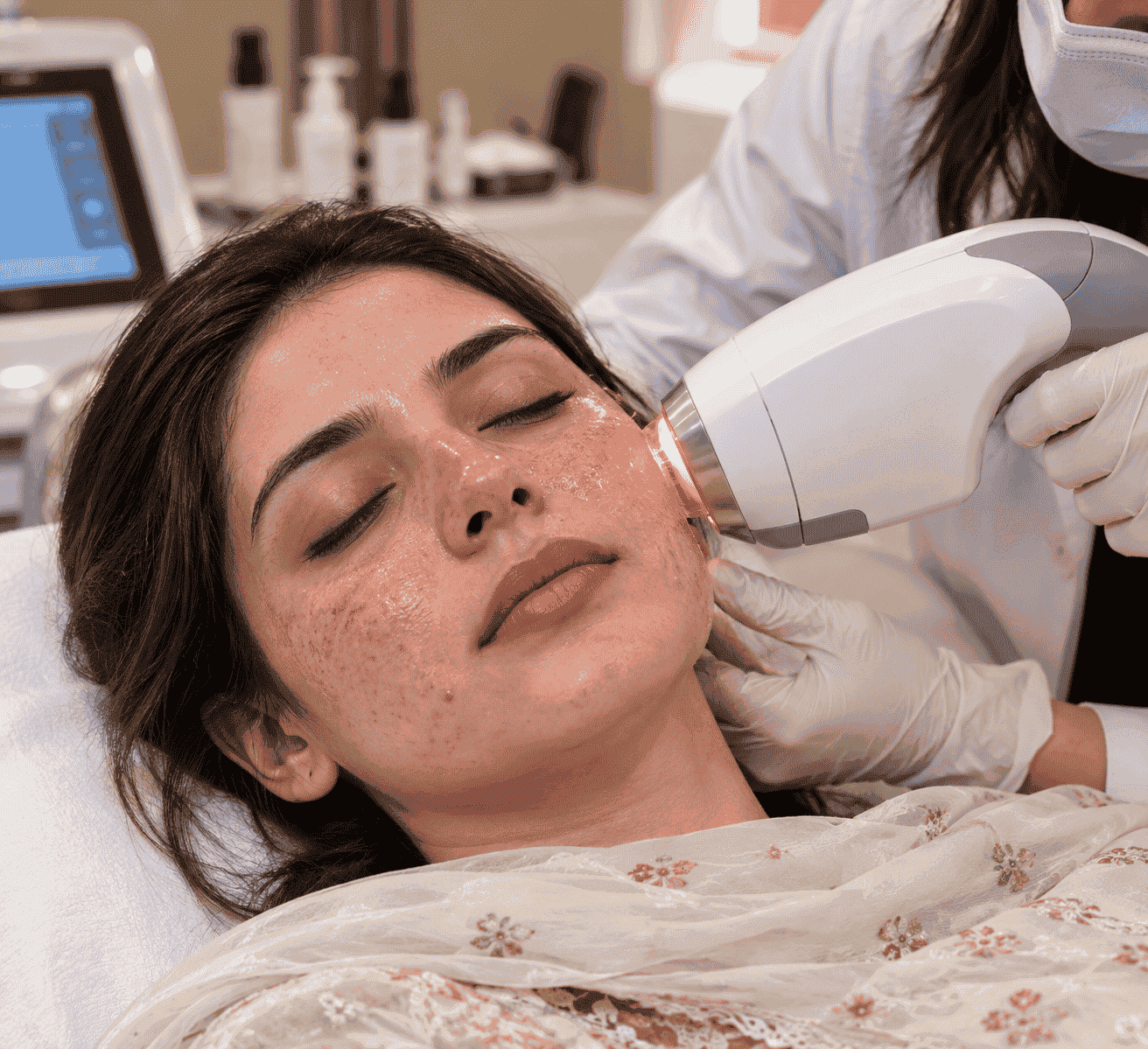
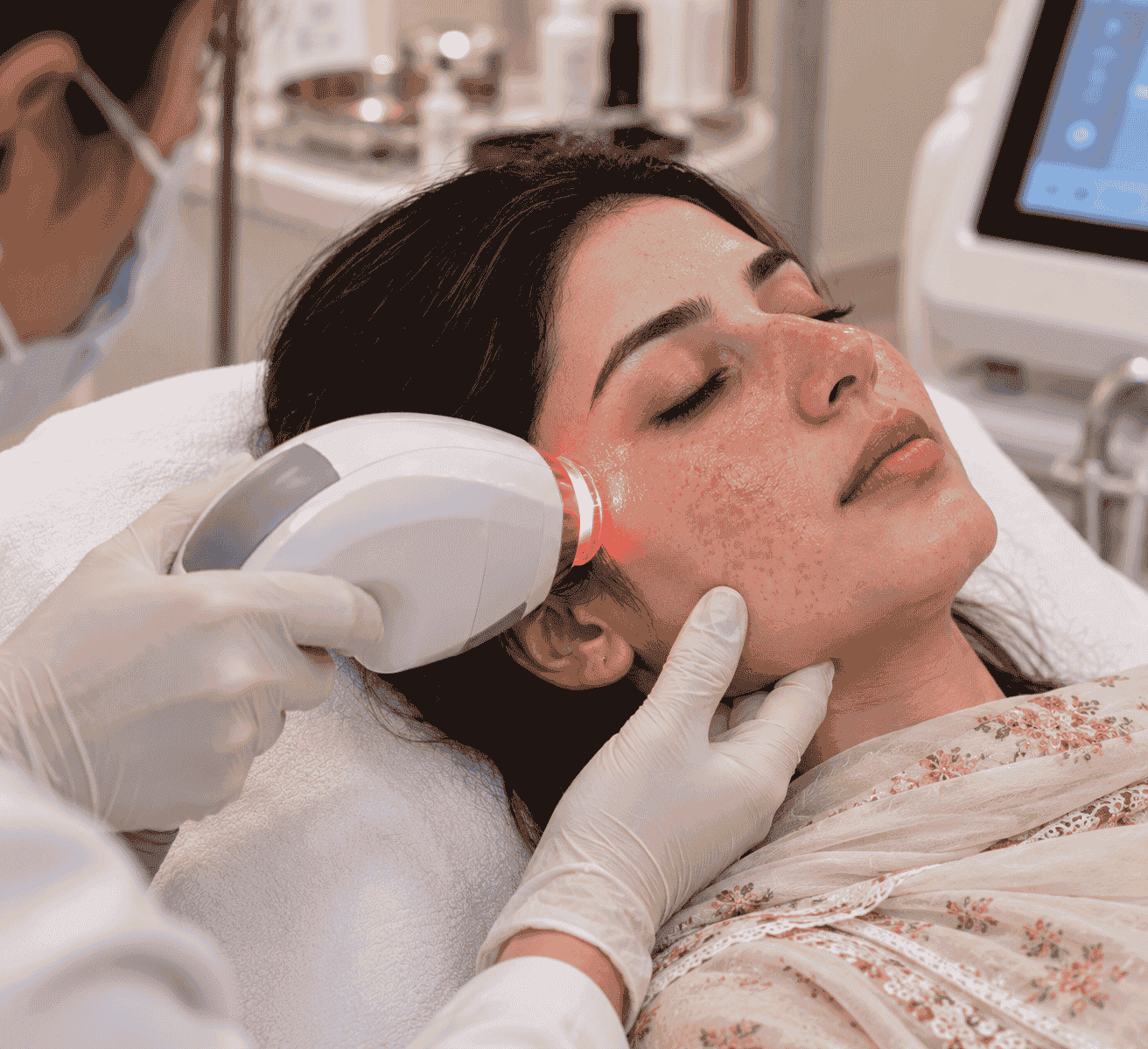
When rosacea causes visible blood vessels or persistent facial redness, selected laser or light-based treatments may be considered.
Skin-barrier care & trigger management
Gentle cleansing, appropriate moisturization, sun protection and identifying personal triggers are important parts of rosacea management.
A personalized rosacea treatment plan may help:
Risks depend on the treatment selected.
Medication may cause irritation, dryness or other treatment-specific side effects.
Laser and light treatments can cause temporary redness, swelling, bruising or sensitivity. Rarely, blistering, scarring or longer-lasting changes in skin color can occur. These risks can be particularly important to consider when treating darker skin tones, making appropriate assessment and experienced medical treatment important.
Rosacea management is generally a long-term process rather than a single treatment.
Some medications can improve specific symptoms within weeks, while laser or light-based treatments may require multiple sessions and the results may take time to become visible.
At Wizderm, your treatment plan may also include guidance on:
Common triggers can include heat, sunlight, spicy foods, alcohol, stress, wind and cold, although triggers vary from person to person.
The objective is not simply to calm the skin temporarily, but to help you understand and manage your rosacea over time.
Contact Dr. Saeed or the Wizderm Aesthetics team if you experience:
You’re sitting down with your first cup of coffee of the day when it hits you: a zing in your tooth… Don’t worry, our team of Portland dentists can help! We offer general dentistry and a full range of restorative and cosmetic dental treatments for people and families in NE Portland, SE Portland, Downtown, and Bethany. Let’s keep your teeth happy!
The new common language will be more simple and regular than the existing European languages. It will be as simple as Occidental; in fact, it will be Occidental. To an English person, it will seem like simplified English, as a skeptical Cambridge friend of mine told me what Occidental is. The European languages are members.
To an English person, it will seem like simplified English. Their separate existence is a myth. The new common language will be more simple and regular than the existing European languages. It will be as simple as Occidental; in fact, it will be Occidental. To an English person, it will seem like simplified English, as a skeptical Cambridge friend of mine told me what Occidental is. The European languages are members of the same family.
The new common language will be more simple and regular than the existing European languages. It will be as simple as Occidental; in fact, it will be Occidental. To an English person, it will seem like simplified English, as a skeptical Cambridge friend of mine told me what Occidental is. The European languages are members of the same family. Their separate existence is a myth.