Eczema is a skin condition that causes dry and itchy patches of skin. It’s a common condition that isn’t contagious.

Eczema is a skin condition that causes dry and itchy patches of skin. It’s a common condition that isn’t contagious.
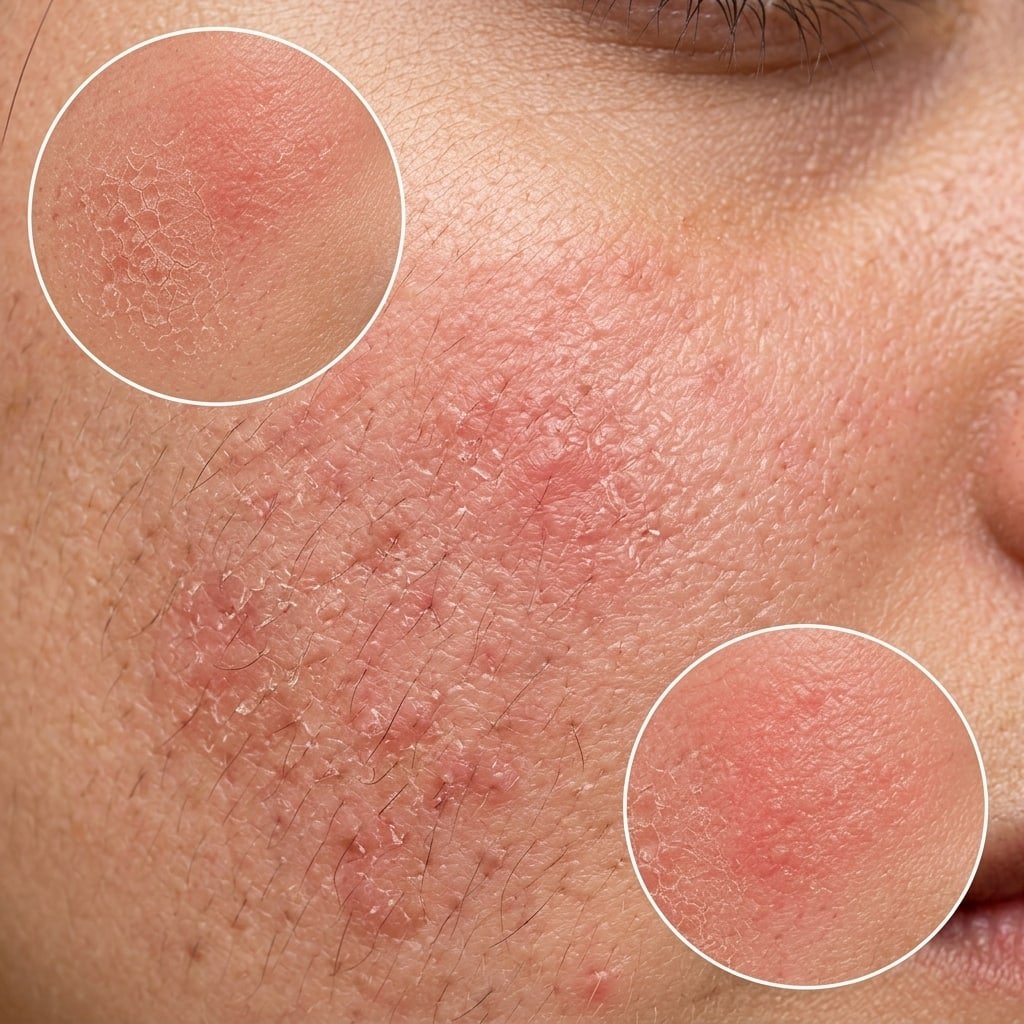
Eczema is a group of conditions that can cause dry, itchy and inflamed skin. Atopic dermatitis is the most common type, although eczema can also include conditions such as contact dermatitis, hand eczema, dyshidrotic eczema and others.
Symptoms can vary from person to person and may include:
Eczema is not contagious. While there is currently no permanent cure for atopic dermatitis, appropriate treatment can help control symptoms and reduce flare-ups.
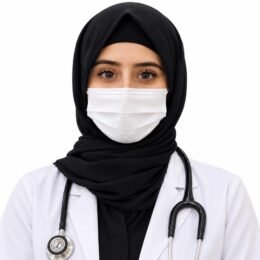
“Managing eczema is not simply about treating a flare. It is about understanding your skin, protecting its barrier and creating a treatment plan that works for you.”
— Dr. Saeed Ur Rahman Shah
Your treatment at Wizderm begins with a detailed dermatological assessment.
Dr. Saeed may evaluate:
A clinical examination and medical history are often enough to diagnose atopic dermatitis, although additional testing may sometimes be required to rule out other skin conditions or identify contact allergies.
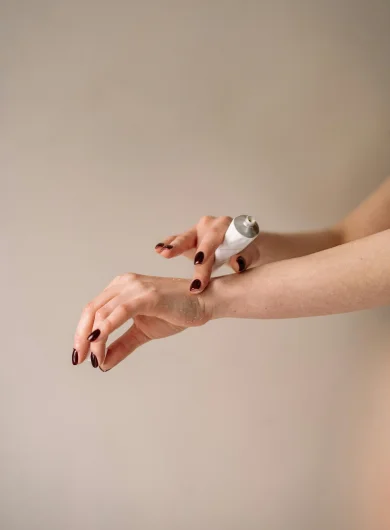
Regular use of an appropriate moisturizer is an important part of eczema management. Keeping the skin hydrated can help reduce dryness, cracking and irritation. Dermatologists generally recommend gentle, fragrance-free moisturizers for eczema-prone skin.
Depending on the severity and location of the eczema, prescription treatments may be used to control inflammation and itching. These can include topical corticosteroids and other prescription anti-inflammatory treatments such as calcineurin inhibitors or newer topical therapies.
Common triggers can include:
Identifying your personal triggers can help reduce future flare-ups.
Eczema is often a condition that requires ongoing management rather than a single treatment session.
Symptoms can improve significantly with an appropriate treatment plan, but flare-ups may return. Consistent skincare and following your prescribed treatment can help maintain control.
At Wizderm, you may be advised to:
Moisturizing at least twice daily is among the self-care measures recommended by dermatologists for atopic dermatitis.
Contact Dr. Saeed or the Wizderm Aesthetics team if:
You’re sitting down with your first cup of coffee of the day when it hits you: a zing in your tooth… Don’t worry, our team of Portland dentists can help! We offer general dentistry and a full range of restorative and cosmetic dental treatments for people and families in NE Portland, SE Portland, Downtown, and Bethany. Let’s keep your teeth happy!
The new common language will be more simple and regular than the existing European languages. It will be as simple as Occidental; in fact, it will be Occidental. To an English person, it will seem like simplified English, as a skeptical Cambridge friend of mine told me what Occidental is. The European languages are members.
To an English person, it will seem like simplified English. Their separate existence is a myth. The new common language will be more simple and regular than the existing European languages. It will be as simple as Occidental; in fact, it will be Occidental. To an English person, it will seem like simplified English, as a skeptical Cambridge friend of mine told me what Occidental is. The European languages are members of the same family.
The new common language will be more simple and regular than the existing European languages. It will be as simple as Occidental; in fact, it will be Occidental. To an English person, it will seem like simplified English, as a skeptical Cambridge friend of mine told me what Occidental is. The European languages are members of the same family. Their separate existence is a myth.